

The way businesses operate in 2026 looks very different from just a few years ago. Traditional systems that once required heavy investment, manual processes and constant maintenance are rapidly being replaced by flexible, cloud-based solutions. This transformation is largely driven by Software as a Service, commonly known as SaaS.
Today, businesses of all sizes are using SaaS tools not just to survive, but to grow faster and serve customers better. Whether it is a free booking website, an appointment booking app, or a client booking system, SaaS platforms are simplifying complex operations and making advanced technology accessible to everyone. The real power of SaaS lies in its ability to adapt to different industries while offering efficiency, automation, and scalability.
Understanding SaaS in 2026
SaaS is essentially a model where software is delivered through the internet instead of being installed on a computer. In 2026, this model has evolved into something far more intelligent and user-friendly. Businesses no longer need dedicated IT teams to manage systems because SaaS platforms handle updates, security, and performance automatically.
What makes SaaS even more relevant today is its integration with automation and smart workflows. Tools like a free online booking system or an appointment booking software can now manage customer interactions, send reminders and organize schedules without human intervention. This shift allows businesses to focus more on strategy and customer experience rather than repetitive tasks.
A Research-Based Perspective on SaaS Growth
Recent industry whitepapers and internal market analyses consistently show that SaaS adoption has become the standard rather than the exception. A significant majority of businesses now rely on at least one SaaS solution daily, and many operate entirely on cloud-based ecosystems. Growth patterns suggest that SaaS continues to expand because of its flexibility and ability to integrate with emerging technologies like artificial intelligence and automation tools.
This growing reliance is not surprising. Businesses are realizing that SaaS is not just about convenience; it is about staying competitive in a fast-moving digital environment where speed and efficiency matter more than ever.
How SaaS is Transforming Key Industries
The impact of SaaS can be seen clearly when we look at how different industries are evolving in 2026.
In the healthcare sector, SaaS has streamlined patient management and scheduling systems. Clinics and hospitals are increasingly using appointment booking apps to reduce waiting times and improve patient experience. Doctors can now manage appointments, records, and communication from a single platform, making healthcare more organized and accessible.
The retail and e-commerce industry has undergone a massive transformation due to SaaS. Businesses now rely on cloud platforms to manage inventory, track customer behavior, and automate marketing campaigns. This allows even small retailers to compete with larger brands by offering personalized shopping experiences and efficient service.
In the beauty and wellness industry, SaaS tools such as a free booking app or booking appointment app have become essential. Salons and spas no longer depend on manual registers or phone calls. Instead, they use digital systems that allow customers to book services anytime while helping businesses manage staff schedules and client preferences effortlessly.
Education has also embraced SaaS in a big way. Online learning platforms, virtual classrooms, and student management systems have made education more flexible and accessible. Institutions can now deliver quality education without being limited by physical infrastructure.
Real estate businesses are using SaaS to simplify property management and client communication. From virtual property tours to automated follow-ups, SaaS tools help agents close deals faster and maintain better relationships with clients.
For small businesses and startups, SaaS is nothing short of a breakthrough. A free online booking application or booking software for small business eliminates the need for expensive infrastructure. Entrepreneurs can launch and manage operations quickly while maintaining a professional and efficient workflow.
Why SaaS is Essential for Businesses Today
The importance of SaaS in 2026 goes beyond convenience. It plays a critical role in how businesses scale and adapt to change. One of the biggest advantages is cost efficiency. Businesses no longer need to invest heavily in software installations or hardware, as everything is available through a subscription model.
Another major benefit is accessibility. Teams can work from anywhere, and customers can interact with businesses at any time. This is especially important for tools like a free booking system or client booking system, where customers expect instant access and quick responses.
Automation is another key factor driving SaaS adoption. Tasks that once required hours of manual work can now be completed in seconds. From scheduling appointments to managing customer data, SaaS platforms reduce errors and improve productivity.
The Role of SaaS in Appointment Booking Systems
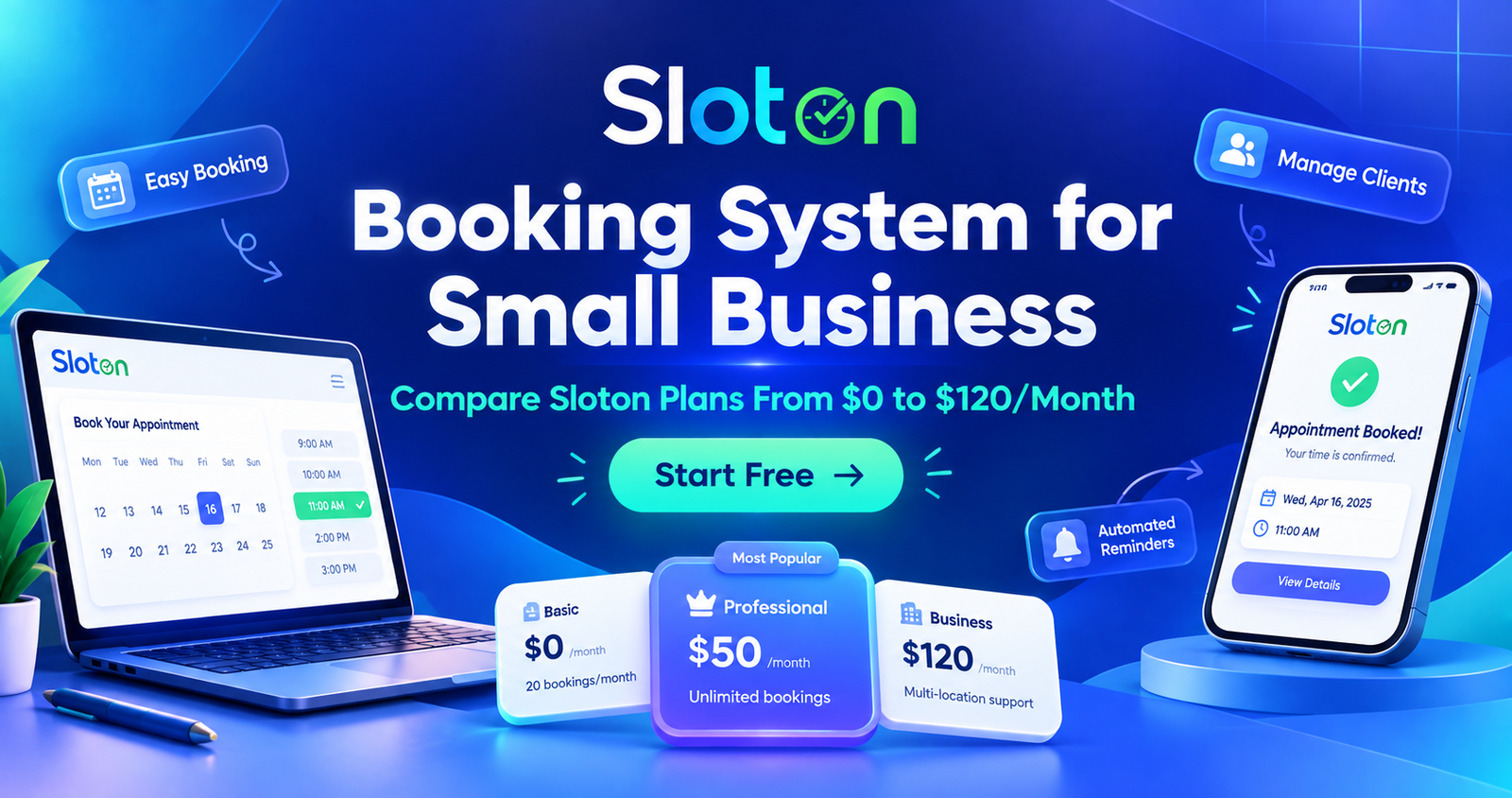
One of the most practical and widely used applications of SaaS is in booking and scheduling systems. Businesses across industries are adopting tools like a free booking website, appointment booking app, or free appointment booking app to manage their daily operations.
These systems allow customers to book appointments without needing to call or wait for confirmation. At the same time, businesses can track schedules, send automated reminders, and reduce missed appointments. This not only improves efficiency but also enhances customer satisfaction.
In 2026, booking systems are smarter than ever. They can integrate with calendars, payment systems, and customer databases, creating a seamless experience for both businesses and users.
Also Read: How SaaS is Useful for Small and Medium-Sized Businesses?
Challenges Businesses Should Consider
While SaaS offers numerous advantages, it is not without challenges. Businesses must ensure that they choose reliable platforms that prioritize data security and privacy. Managing multiple SaaS tools can also become complex if there is no proper integration between systems.
Another factor to consider is long-term cost. While SaaS reduces upfront expenses, subscription fees can add up over time if not managed carefully. Despite these challenges, the benefits of SaaS generally outweigh the limitations when implemented correctly.
Future of SaaS Beyond 2026
Looking ahead, SaaS is expected to become even more intelligent and industry-specific. Businesses will increasingly rely on customized SaaS solutions designed for their specific needs. Automation will become more advanced, and user experiences will become more personalized.
The integration of AI with SaaS platforms will further enhance decision-making and efficiency. As technology continues to evolve, SaaS will remain at the center of digital transformation across all industries.
Conclusion
SaaS has fundamentally changed how businesses operate in 2026. It has made advanced technology accessible, affordable and easy to use for companies of all sizes. From healthcare and retail to education and small businesses, every industry is benefiting from cloud-based solutions.
Whether it is a free online booking system, an appointment booking software, or a client booking system, SaaS tools are helping businesses become more efficient, customer-focused, and scalable. As the digital landscape continues to evolve, adopting SaaS is no longer just an option—it is a necessity for growth and long-term success.